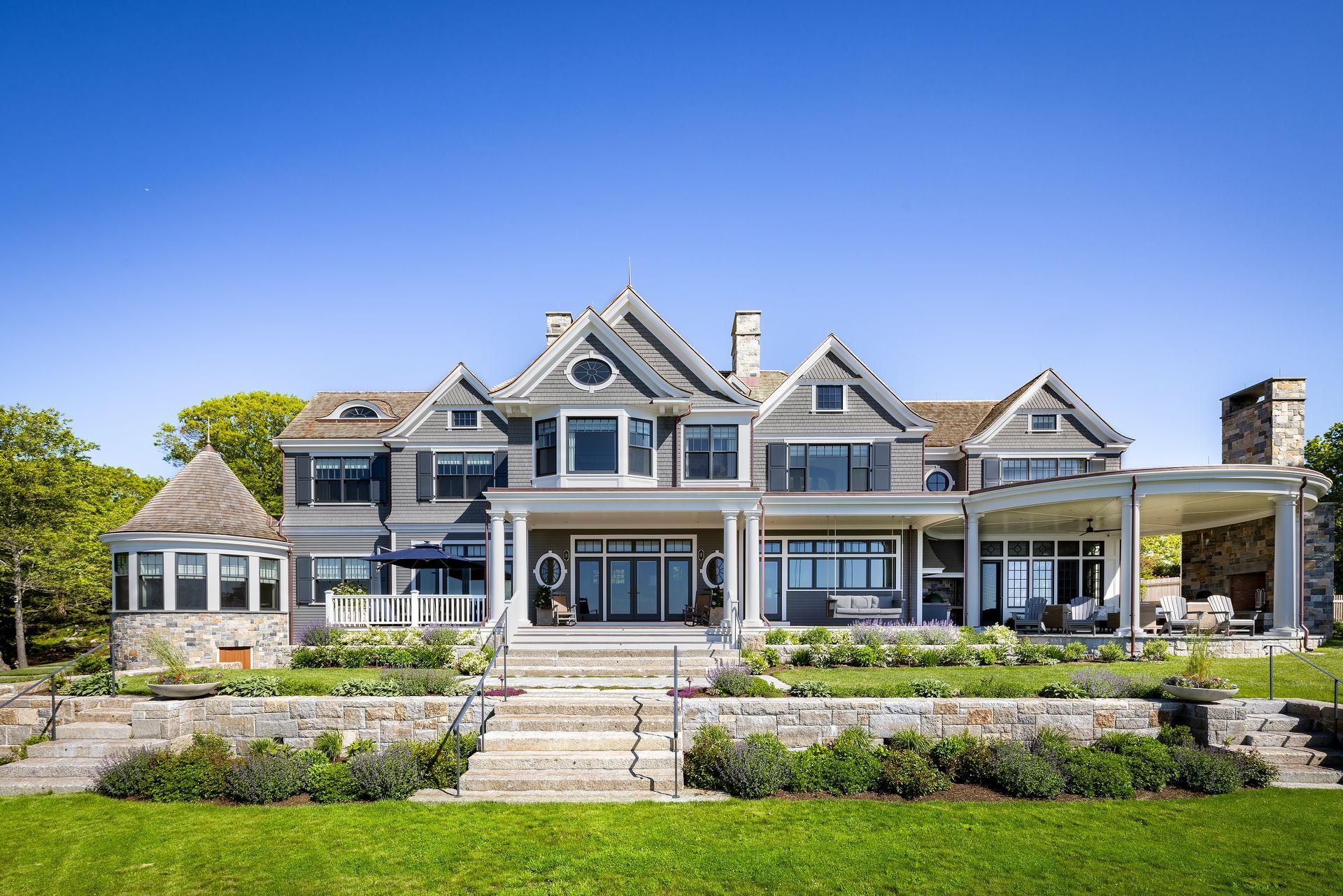


Renovate or Move? Why Greater Boston Homeowners Are Staying Put (2026)
Mortgage lock-in and $1.85M–$2.6M medians: why Newton, Wellesley, and Brookline homeowners are renovating instead of moving in 2026.
The question more homeowners are asking
Across Newton, Wellesley, and Brookline, we keep hearing the same conversation. The house no longer fits — the kitchen is too small, the bedrooms are one short, the home office is a corner of the dining room — but the for-sale listings that would fix it are scarce, expensive, and gone in weeks. So the question has changed. It used to be "what’s our next house?" Increasingly, it’s "can this house become the next house?"
That shift isn’t sentimentality. It’s arithmetic, plus a housing market that has slowed down without getting cheaper. Here is the math.
Start with the lock-in math
The single biggest force in American housing right now is the gap between the mortgage people have and the mortgage they’d have to take. According to FHFA National Mortgage Database data for Q2 2026, 65.6% of outstanding U.S. mortgages carry a rate below 5% — and 49.1% are below 4%. The average rate on all outstanding mortgages is 4.4%.
New money costs far more. Freddie Mac’s Primary Mortgage Market Survey put the 30-year fixed rate at 7.24% for the week of October 29, 2026. Trading a sub-4% loan for a 7%-plus loan on a $2 million purchase can add thousands a month in interest alone, on top of a higher price. The behavioral result is in the same FHFA data: the average mortgage is now 80 months old, up from 59 months in early 2022. Owners are staying put measurably longer.
Renovating doesn’t require giving up the rate. That one fact explains more of the current remodeling market than any design trend.
The local market: slower, not cheaper
"Slow market" headlines can mislead. In Massachusetts, the slowdown is in pace, not price. The Massachusetts Association of Realtors’ September 2026 figures put the statewide single-family median price at $670,000, up 2.4% year over year, with just 2.05 months of supply and a median of 42 days on market — days on market up about 20% from a year earlier. Homes are taking longer to sell; they are not selling for less.
In the three towns this article is about, the numbers are starker. MLSPIN data for April through October 2026 put single-family median sale prices at $1.85 million in Newton, $2.48 million in Wellesley, and $2.6 million in Brookline. Existing houses also trade at striking prices per square foot over the same period — $617.98 in Newton, $666.96 in Wellesley, and $764.74 in Brookline — which means the "move up" house costs roughly what new construction costs, before you’ve changed a single thing about it.
Brookline is the partial exception, and it’s worth naming honestly: its single-family segment has visibly softened, with months of supply deepening to 5.24 months in October 2026, against roughly two to three months in Newton and Wellesley. If you’re a buyer with patience, Brookline single-family is the one place in this trio where time may be on your side. Even there, the median is $2.6 million — slower has not meant affordable.
The practical conclusion: moving solves the space problem only by buying into the same expensive, thin market you’re selling into — and resetting your mortgage at today’s rates to do it.
Nationally, owners are investing where they live
The pattern shows up in the national data too. Harvard’s Joint Center for Housing Studies, in its October 22, 2026 Leading Indicator of Remodeling Activity release, projects homeowner improvement and repair spending to hover around $525 billion through the third quarter of 2027, with growth of just 1.5% — flat, not falling. In a high-rate environment, that is a remarkable level of spending: hundreds of billions of dollars a year going into houses their owners have decided to keep.
A May 2026 study from Point, a home-equity company, found the same behavior from the household side: 49% of would-be movers are choosing to renovate instead, and 83% of rate-sensitive owners say they would need mortgage rates below 5% before they’d sell. Rates are not below 5% — so in many households the decision is happening by default. Better to make it deliberately.
What staying makes possible
The reason staying works, when it works, is that most "we need a different house" problems are actually space and layout problems, and those can often be solved on the lot you already own:
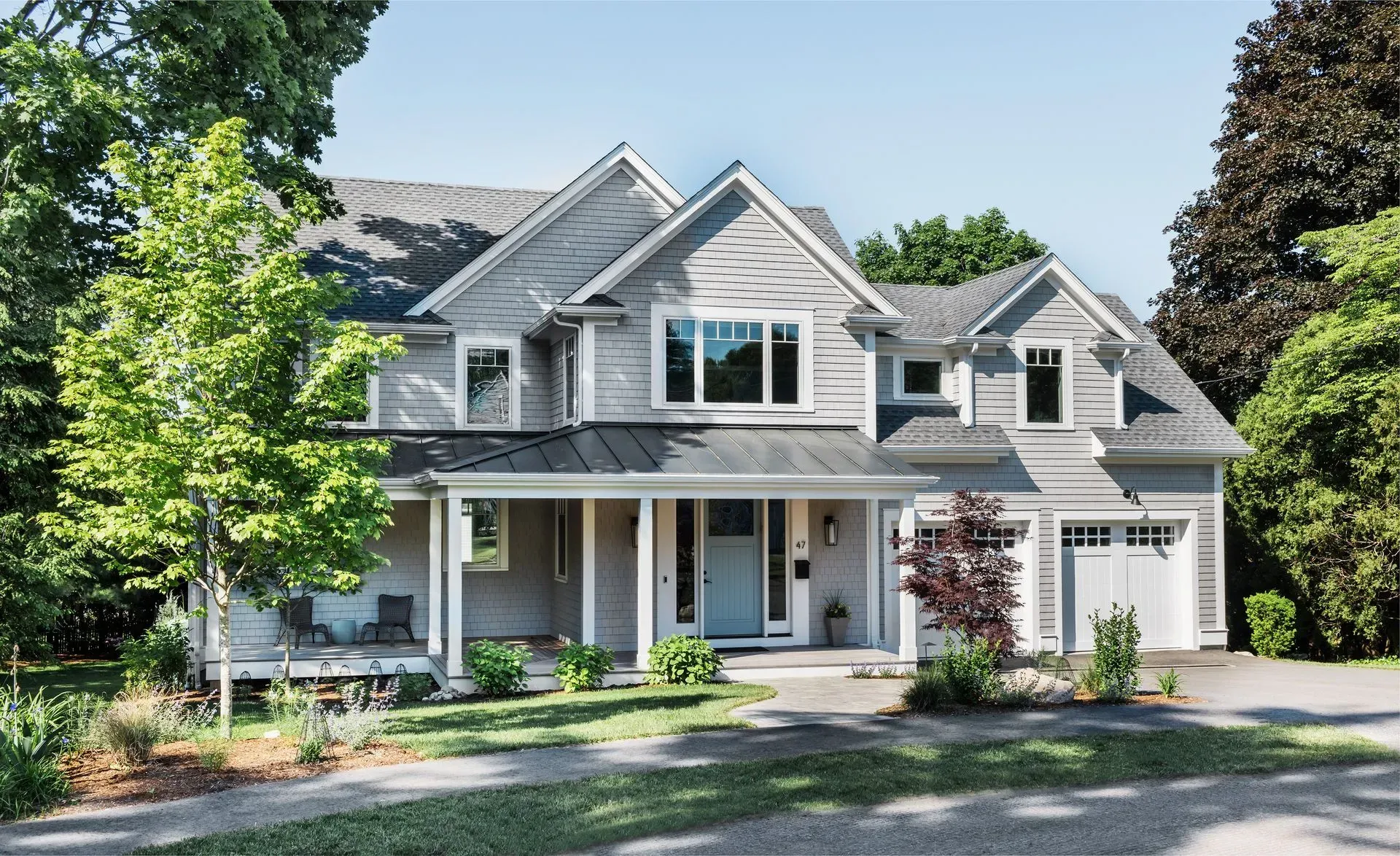
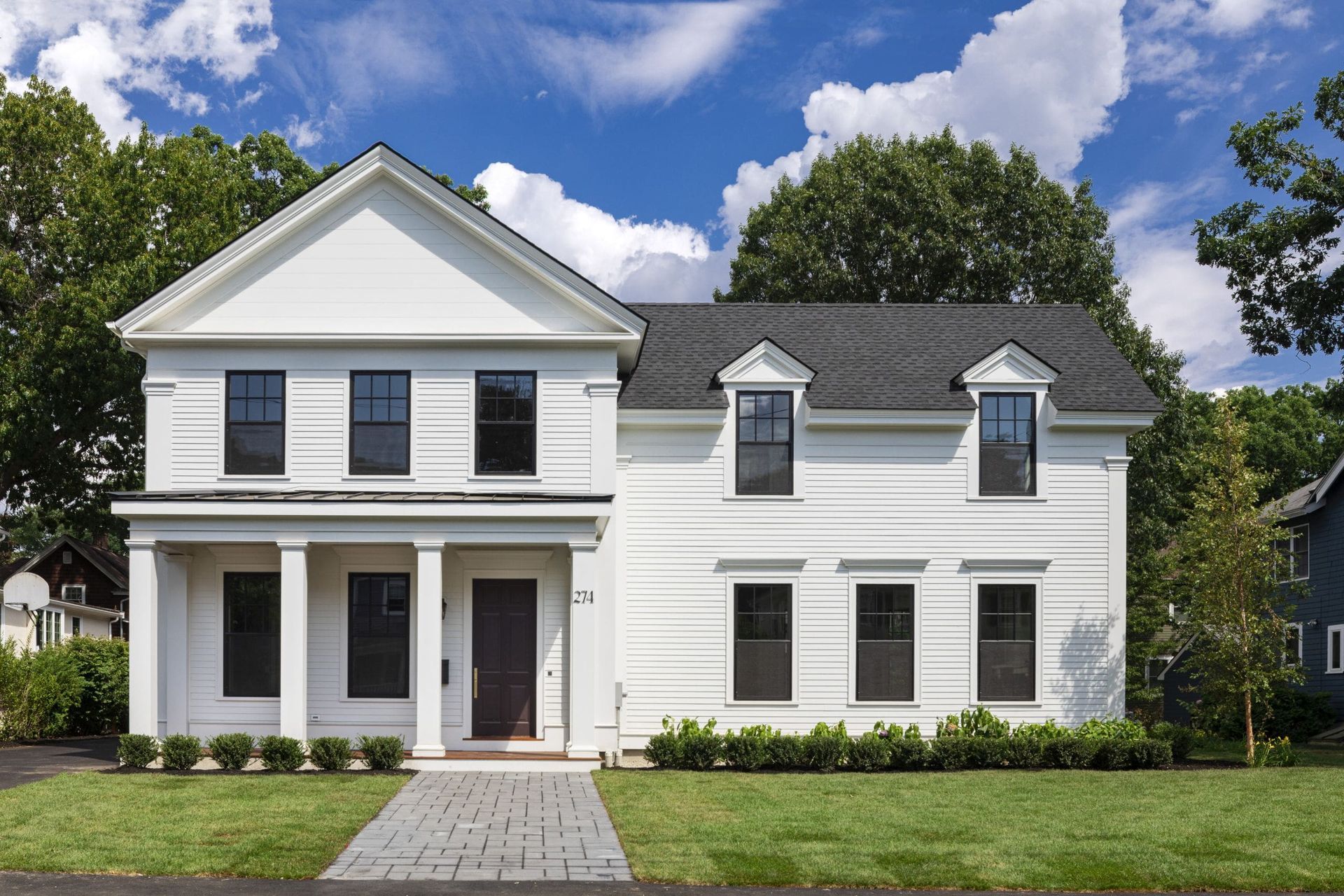
- Additions — a primary suite, a family room, a second story — add the missing room without changing your street, your schools, or your commute.
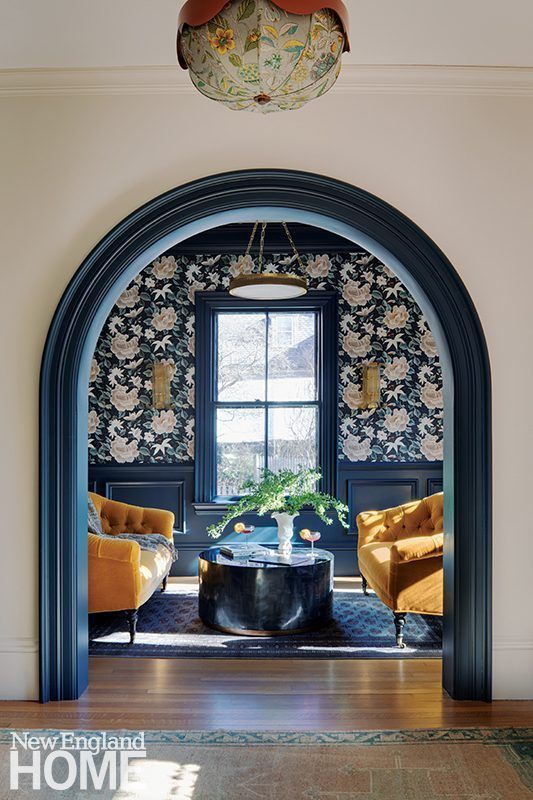
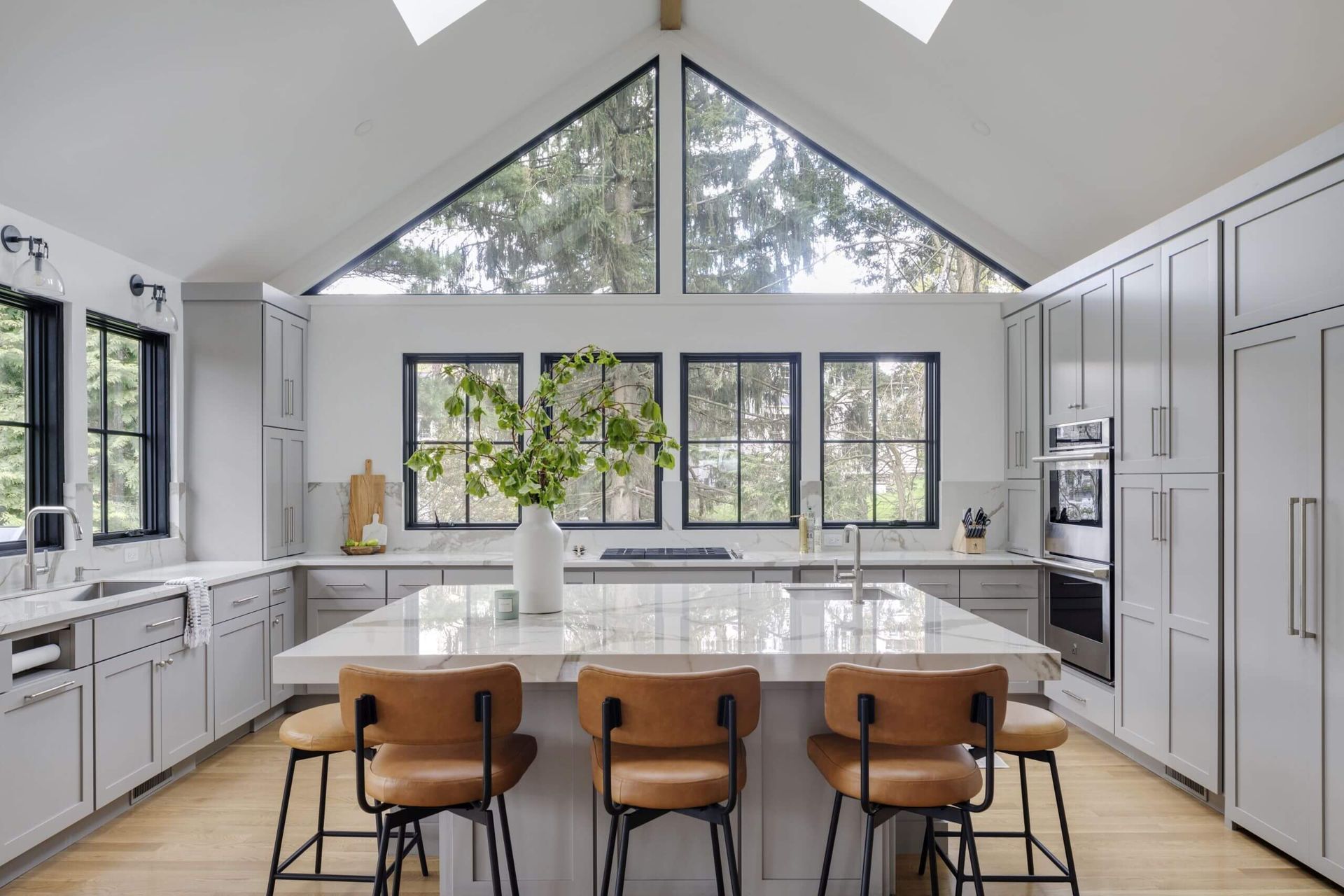
- Whole-home renovation re-plans the interior you already have: kitchens, bathrooms, flow, and the systems behind the walls, in houses that are often structurally sound but decades out of date.
- ADUs add flexible space — for family, guests, or rental potential — within the existing property.
There is a catch, and it’s the part to plan around: in these three towns, the path from decision to building permit runs through real review processes, and they take real time. In Wellesley, a project that pushes a home’s total living area plus garage space past its district threshold — 3,600 square feet in the SR10 district, up to 7,200 in SR30/40 — requires Large House Review, a Planning Board approval, before a building permit can issue; additions trigger it when they raise that total by more than 10% past the threshold. In Newton, additions are governed by floor area ratio limits that tighten as lots get larger, and exceeding them means a City Council special permit. In Brookline, preservation review is triggered by scope rather than age: removing or covering 25% or more of a building’s exterior sides and roof counts as demolition for review purposes, which pulls many substantial additions and gut renovations into the process. And in all three towns, demolishing a significant older home can bring a demolition delay of 12 months — 18 months for properties listed on or eligible for the National Register.
None of that is a reason not to renovate. It is a reason to start early, while design is still flexible. One Boston-area luxury builder’s 2026 cost guide puts the full arc — design and approvals through construction — at 18 to 30 months for projects of this scale. It is not a spring decision that produces a fall kitchen.
This is also where the working model matters. The productive setup is a builder at the table during design — alongside your architect or designer, not instead of them — pressure-testing feasibility, budget, and buildability while the drawings are still cheap to change. That early collaboration is how a project survives its review process with its scope and budget intact.
When moving still wins
Staying is not always right, and any honest version of this analysis has to say so.
The lot is the problem. An addition can add rooms; it cannot add a flatter yard, a better orientation, or a different street. If what you need is land, moving is the only fix.
The timing is the problem. If a school change, a job move, or a family deadline has a fixed date, a multi-season design-review-build sequence may simply not fit it. Buying is faster than building, even in a slow market.
The house can’t become what you need. Some floor plans, foundations, and lot constraints genuinely cap what’s possible — a house that needs its space in a direction the zoning, the lot, or the structure won’t allow. A feasibility look will tell you this early, and it’s better to hear it before design fees accumulate.
You’d rather buy the finished thing. Renovation is a project, with a project timeline and project decisions. Some households would rather pay the premium for a house that’s already done — in this market a real premium, but a legitimate choice, not a failure of analysis.
FAQ
Is it cheaper to renovate or move in Newton, Wellesley, or Brookline right now?
For most owners holding a below-5% mortgage, renovating avoids both the $1.85M–$2.6M purchase medians in these towns (MLSPIN, April–October 2026) and a new loan at roughly 7.24% (Freddie Mac, late October 2026). Whether a specific renovation beats a specific move depends on scope — what a feasibility and budget pass establishes.
How long does an addition take in these towns, start to finish?
Plan in seasons, not months. Design, any required review — Wellesley Large House Review, a Newton special permit, Brookline preservation review — and construction together run well over a year on projects of this scale; one Boston-area builder’s 2026 guide puts design-to-move-in at 18–30 months for luxury projects.
Does my project need Large House Review in Wellesley?
If the work pushes your home’s total living area plus garage space past your district’s threshold (3,600 to 7,200 square feet depending on district) — and additions trigger review when they add more than 10% — yes: Planning Board approval comes before the building permit.
What triggers preservation review in Brookline?
Scope, not age. Removing or covering 25% or more of a building’s exterior sides and roof is treated as demolition for review purposes and applies to all buildings — so substantial additions and gut renovations routinely enter the process, and a significant finding can mean a 12-month stay (18 months for Register-listed or eligible properties).
When should a builder get involved — before or after design?
During design. A builder working with your architect or designer from the start can test feasibility, budget, and buildability while changes are still inexpensive — the model that keeps a project intact through review.
The first step is a look at the house you have
If you’re running the renovate-or-move math, the useful first step isn’t a listing search — it’s a clear-eyed look at what your current house and lot can actually support, what the review path looks like in your town, and what the work would realistically cost. That’s a conversation we’re glad to have early, before design money is spent: bring your questions, and we’ll tell you plainly if we think moving is the better answer.